The Everyday Importance of Visiting a General Dentist
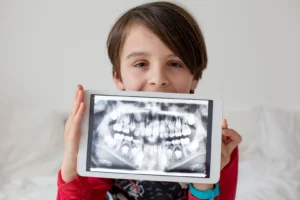
Most people do not think much about their teeth when nothing hurts. That is understandable. Daily life is busy, dental appointments can feel easy to postpone, and many oral problems begin quietly. Yet that quiet period is exactly why regular visits to a General Dentist matter so much. Good dental care is rarely about dramatic intervention. More often, it is about noticing small changes early, preventing avoidable damage, and protecting the comfort and function people depend on every single day.
A healthy mouth does not only support a nice smile. It affects eating, speaking, sleeping, social confidence, and overall health. A neglected cavity can turn into a root canal. Mild gum inflammation can progress into gum disease that threatens bone and tooth stability. A poorly fitted filling can create bite strain that leads to headaches or jaw soreness. These issues do not always arrive with loud warning signs. They develop in increments, and that is where a General Dentist plays an essential everyday role.
The phrase "general dentistry" sometimes sounds routine, almost ordinary. In practice, ordinary is where the real value lies. Most people do not need a specialist first. They need a skilled clinician who understands prevention, diagnosis, maintenance, restoration, and the practical realities of long-term oral health. A General Dentist is often the professional who sees the whole picture, from the earliest signs of trouble to the habits and health conditions that shape a patient’s future.
Dental care is about more than fixing pain
Pain gets attention. Prevention does not. That imbalance causes many people to seek dental care only when they feel they have no choice. By then, treatment is usually more involved, more expensive, and more stressful than it needed to be.
Consider a small cavity between two back teeth. A person can chew normally for months without noticing it. There may be no visible hole, no sensitivity to cold, no obvious sign at all. During a routine checkup, a General Dentist may catch it on an exam or with imaging and treat it with a small filling. If that visit is delayed for another year or two, decay may reach the nerve, and suddenly the options become a root canal, a crown, or in some cases extraction. The biological process is the same. The outcome changes because timing changes.
This pattern repeats across many common dental problems. Gum disease often begins with bleeding during brushing, which people frequently ignore. Grinding and clenching can wear down enamel so gradually that patients do not recognize the damage until they chip a tooth or wake with jaw pain. Early oral cancer signs may appear as subtle tissue changes rather than a painful lump. The routine visit exists to catch what patients cannot easily see.
That is one of the less glamorous truths about dentistry. The best appointment is often the one where nothing dramatic happens. Teeth are cleaned, gum health is checked, the bite General Dentist is evaluated, old fillings are monitored, home care is reviewed, and the patient leaves with reassurance or a manageable plan. Those quiet visits save people from a great deal of disruption later.
What a General Dentist actually does
People sometimes reduce dentistry to cleanings and fillings, but the daily work of a General Dentist is broader and more nuanced than that. General dentistry sits at the crossroads of prevention, diagnosis, restoration, and coordination of care. The role includes identifying disease early, managing common oral conditions, restoring damaged teeth, monitoring changes over time, and referring to specialists when needed.
That long-term perspective matters. A General Dentist often sees how a patient’s mouth changes over years, sometimes over decades. They notice whether a gum pocket has deepened since the last visit, whether a crack line on a molar is becoming more concerning, whether a teenager’s brushing has improved, or whether an adult patient’s dry mouth may be linked to new medication. Those details can be easy to miss in isolated, one-off visits.
There is also a practical side that patients value more with age. Oral health decisions are rarely made in a vacuum. A crown may be clinically ideal, but timing, budget, insurance, caregiving responsibilities, anxiety level, and medical history all shape what is realistic. Experienced general dentists weigh those factors carefully. They know when to monitor instead of rush, when to recommend treatment promptly, and when a patient should move from general care to a specialist.
That judgment is part science and part experience. Two similar-looking cavities may be handled differently depending on location, patient age, cavity risk, oral hygiene, and reliability of follow-up. A worn tooth may call for a night guard in one person and orthodontic evaluation in another. Competent everyday dentistry involves constant decision-making, not just technical procedures.
The hidden cost of waiting
People often postpone dental visits to save money, avoid inconvenience, or sidestep anxiety. In the short term, delaying can feel rational. In the long term, it often becomes expensive in every sense of the word.
Small restorative work is generally simpler than major reconstruction. A basic filling takes less chair time than a crown. A deep cleaning for gum disease costs more than a regular cleaning. Replacing one missing tooth can involve a bridge, implant, or partial denture, each with financial and functional consequences that far exceed the cost of preserving the original tooth. Time away from work, emergency appointments, pain medication, swelling, disrupted sleep, and dietary limitations all add to the burden.
There is also the emotional cost. Anyone who has spent a weekend with a dental abscess or tried to find urgent care before a holiday understands how quickly a minor issue can take over life. Even less severe problems carry weight. A front tooth stain that deepens into a visible cavity can make someone stop smiling in photographs. Chronic bad breath related to untreated gum disease can affect confidence at work and in close relationships. These are not cosmetic footnotes. They shape daily life.
For parents, the same principle applies to children. Baby teeth are temporary, but their care is not trivial. Cavities in primary teeth can cause pain, affect eating and sleep, and influence how children feel about dental visits for years afterward. Early positive experiences with a General Dentist often make the difference between a child who views dental care as normal and one who develops avoidant fear.
Oral health and overall health are closely linked
Dentists are careful not to overstate connections that research is still refining, but some links between oral health and general health are well established. The mouth is not separate from the body. It is part of the body, with blood supply, immune response, bacterial activity, and inflammatory processes that interact with broader health conditions.
Gum disease, for example, is associated with systemic inflammation. People with diabetes often see a two-way relationship, where poor blood sugar control can worsen periodontal problems and oral infection can make glucose management more difficult. Dry mouth is another common issue with health implications. It can result from medications used for blood pressure, depression, allergies, and many other conditions. Reduced saliva makes cavities more likely because saliva helps buffer acids and protect enamel.
A General Dentist may be one of the first professionals to notice signs that deserve a medical conversation. Persistent mouth ulcers, unusual tissue changes, severe grinding, erosion patterns linked to acid reflux, or recurrent fungal infections can all point toward bigger health issues. Dentists do not replace physicians, but they often spot clues early because they routinely examine structures that many people never inspect closely themselves.
This makes regular dental care especially important for older adults, pregnant patients, people managing chronic illness, and anyone taking multiple medications. The appointment is not just about plaque removal. It is an opportunity to review how life changes, prescriptions, diet, and stress are affecting the mouth.
Why routine cleanings are not just cosmetic
Many patients think of cleaning visits as polish appointments, useful but not essential. That misses their real purpose. Professional cleanings remove hardened buildup that brushing and flossing cannot fully address once it calcifies. More importantly, they give the dental team regular opportunities to measure gum health, monitor recession, evaluate home care effectiveness, and identify areas where disease risk is increasing.
Plaque is soft and can often be removed at home with consistent technique. Tartar, once formed, bonds more firmly and contributes to gum irritation. Bleeding gums are often dismissed as normal, but healthy gums generally do not bleed with routine brushing or flossing. Repeated inflammation can progress below the gumline, where bone support becomes vulnerable.
A patient may say, truthfully, "My teeth feel fine." Teeth can feel fine while the gums are not. Gum disease is often surprisingly painless until it is advanced. Mobility, spacing changes, gum recession, and chronic inflammation can build quietly over years. Regular maintenance interrupts that process.
There is another benefit patients notice after they stay consistent for a while. Home care usually gets better when professional care is regular. People brush more attentively before appointments at first, but over time many settle into better habits because they understand what the dentist and hygienist are tracking. They begin to notice which areas trap food, which spots bleed, and which products actually help. Small behavior changes add up.
The everyday habits a dentist helps shape
One of the most practical contributions a General Dentist makes is behavioral. Not in a preachy way, and not with unrealistic perfectionism. Good dental care is often built around small corrections that fit a person’s routine.
A teenager sipping sports drinks through practice season may not realize the enamel effect of repeated acid exposure. A night-shift worker may brush diligently but snack frequently and unknowingly increase cavity risk. A patient using a hard-bristle brush may think vigorous scrubbing equals cleanliness while actually worsening gum recession. These are ordinary patterns, not dramatic mistakes. They are exactly the kind of issues that come up in general dental visits.
Advice is most effective when it is specific. "Floss more" is easy to ignore. "You are trapping plaque consistently behind the lower front teeth and around the back left molar, so try floss picks if string floss is frustrating" is far more useful. The same goes for recommendations on fluoride toothpaste, dry mouth rinses, sensitivity products, or a custom night guard. Personalization matters because mouths differ, habits differ, and compliance rises when the plan feels realistic.
Patients also appreciate honesty about trade-offs. Whitening toothpaste may help superficial stains but can increase sensitivity in some people. Clear aligners can improve alignment but require disciplined wear and cleaning. A mouthguard protects against grinding, but not every sore jaw is caused by bruxism. Experienced dentists guide people through those distinctions rather than promising one-size-fits-all solutions.
Fear, embarrassment, and the long gap between visits
A large number of adults return to the dentist after many years away, often carrying embarrassment about the gap. They worry they will be judged for neglected teeth, smoking history, broken fillings, or missed cleanings. Good practices know this is common. Life interrupts care for all sorts of reasons, including cost, caregiving, relocation, trauma, mental health struggles, and plain avoidance. Shame helps no one.
The first visit back is often less dramatic than patients expect. A competent General Dentist typically focuses on assessment, not scolding. What needs urgent attention? What can be monitored? What can be staged over time? What are the patient’s goals? That practical, nonjudgmental approach matters because dental treatment is usually a process, not a single event.
Anxiety is real as well, and it deserves respect. Some patients fear needles, drilling, loss of control, gagging, or simply the sound of instruments. Others had rough experiences as children. Regular visits can actually reduce fear because they make appointments more predictable and shorter. People who come in only for emergencies tend to associate dentistry with pain. People who come in consistently are more likely to experience uneventful maintenance visits, which gradually retrain expectation.
From a clinician’s perspective, trust changes outcomes. Patients who feel safe are more likely to ask questions, admit they are not flossing, mention nighttime clenching, or say when they are struggling financially. That honesty leads to better care. Dentistry works best when it is collaborative rather than transactional.
Children, adults, and older patients all have different needs
The value of seeing a General Dentist changes across life stages, but it never really disappears. In children, the focus often centers on prevention, cavity risk, fluoride exposure, developmental monitoring, and making the dental setting feel familiar rather than threatening. Early visits also help parents learn where cleaning tends to be missed and whether habits like prolonged bottle use, frequent juice, or thumb sucking need attention.
For working-age adults, routine care often becomes a balancing act between maintenance and repair. This is the stage where old fillings begin to age, grinding from stress becomes more common, orthodontic relapse may show up, and cosmetic concerns sometimes intersect with functional problems. A patient may come in asking about whitening and leave having discovered a cracked filling under an old stain. That is not uncommon. General dentistry often starts with one concern and expands into a broader conversation.
In older adults, dry mouth, root decay, gum recession, medication side effects, and the condition of existing crowns, bridges, or dentures become central. Teeth that lasted decades under one set of circumstances may become more vulnerable when saliva drops or dexterity changes. Patients with arthritis may need adapted tools for brushing. Patients with partial dentures may need periodic adjustments because gum and bone contours shift. Again, routine oversight prevents small discomforts from becoming major functional problems.
What a good ongoing relationship looks like
The strongest dental care often comes from continuity. That does not mean staying with a dentist who is not a good fit. It means that, when possible, having a General Dentist who knows your history makes care more coherent. Trends become visible. Recommendations become more tailored. Decisions become less rushed because the clinician has context.
A long-term dental relationship is useful in subtle ways. If a patient fractures a tooth, the dentist may already know whether that tooth had a large old filling, a history of sensitivity, or signs of grinding over several years. If recession appears to worsen, there may be past measurements for comparison. If a patient wants cosmetic work, prior photos or records can help distinguish a new problem from a long-standing feature.
This continuity also supports practical planning. Not every issue has to be fixed at once. A dentist who knows a patient’s priorities can map treatment sensibly, addressing urgent disease first, then function, then elective improvements. That staged approach is more manageable financially and emotionally.
Choosing routine care before you need rescue care
There is a tendency to think of dental visits as reactive. Something breaks, hurts, swells, or stains, and then an appointment gets booked. The more sustainable model is preventive. See the dentist before pain forces a decision. Keep the relationship active while choices are still open.
For many patients, the most convincing argument is simple arithmetic. A short visit twice a year, or at intervals appropriate to individual risk, is usually easier than emergency treatment, specialist referrals, time off work, and recovery from advanced disease. The investment is not only financial. It protects comfort, function, confidence, and options.
A General Dentist is often the healthcare professional guarding problems people cannot yet feel. That is easy to underestimate until the first time a routine check catches something early. A tiny cavity that gets a small filling. A suspicious spot that turns out harmless after evaluation. Gum inflammation that improves before bone loss sets in. A night guard that prevents repeated fractures. These are not dramatic stories, but they are meaningful ones. They are how people keep their teeth longer, avoid avoidable pain, and move through ordinary life with fewer interruptions.
Teeth are used constantly and taken for granted easily. They let people bite into apples, speak clearly in meetings, laugh without self-consciousness, sleep without throbbing pain, and enjoy meals without planning around sensitivity. That kind of reliability does not happen by accident. It is usually the result of ordinary maintenance, good timing, and regular care from a trusted General Dentist.
The importance of that care shows up not only in dental charts and X-rays, but in everyday life. It shows up in the absence of crisis. It shows up in confidence, comfort, and the quiet benefit of problems prevented before they become visible. That may not sound dramatic, but in healthcare, quiet prevention is often the best outcome available.
Aspenwood Dental Associates and Colorado Dental Implant Center
2900 S Peoria St Ste C, Aurora, CO 80014, United States
+1 303-731-4037
FAQ About General Dentist
How long do teeth fillings last in Aurora, CO?
Fillings can last for years, but they are not lifetime restorations. Their durability depends on the material, the size and location of the filling, chewing forces, and oral hygiene. A general dentist can examine a filling for wear, damage, or new decay and explain whether monitoring, repair, or replacement is appropriate. Age alone does not establish that a filling needs replacement.
How Can I Reduce Dental Anxiety?
Tell the dental team about your concerns when booking and again at your visit. Ask for an explanation of each step, agree on a signal for breaks, and consider slow breathing or headphones if the practice permits them. Discuss pain control and any sedation options with the dentist; suitability depends on your health, medicines, and planned treatment.
When should your child first see a dentist in Aurora?
Arrange the first dental visit within six months after the first tooth appears and no later than the first birthday. Early visits allow the dentist to assess development and discuss brushing, fluoride, feeding habits, and cavity prevention. Ask the practice whether it sees infants and how it handles referrals when a child needs specialist care.